UBC Pathology & Laboratory Medicine
Department of Pathology & Laboratory Medicine

Our history, 1949 to today

The Department of Pathology is part of the UBC Faculty of Medicine — one of the twelve departments established with the Faculty in 1949. From the first specimen collections used to teach medicine, to genomics-driven cancer discovery and a province-wide clinical network, this is the story of the people who built it.

1949 – 1968

Foundations

The department is born alongside BC's only medical school and builds the tools and collections that will teach generations.

Milestones of the era
1949
UBC Faculty of Medicine is established — Pathology is one of the twelve founding departments.
1950
The medical school takes in its first class of 60 students under founding dean Myron Weaver.
1951
Sir William Boyd becomes the first Head, bringing the specimen collection that seeds the teaching museum.
1959
UBC acquires its first electron microscope, expanding the department's research capacity.
William Boyd
1951–1954

William Boyd

Professor and Head

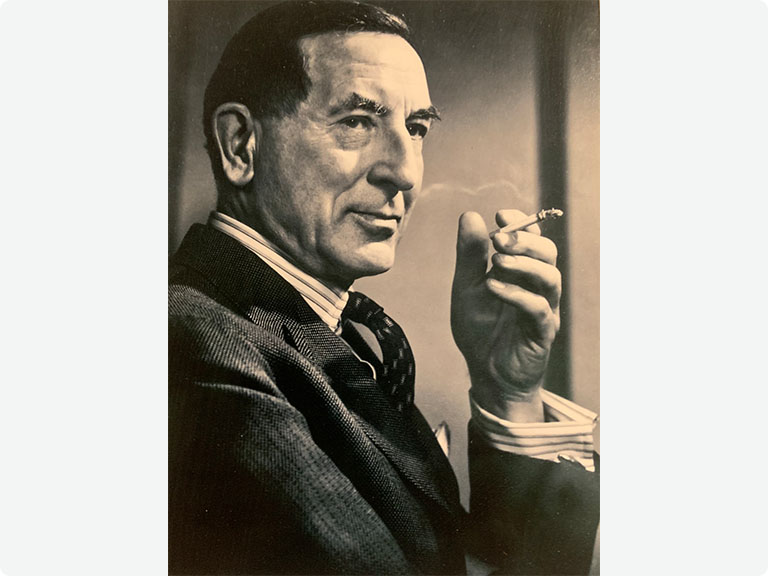
Dr. William Boyd (1885–1979) was a world-famous professor of pathology and author of numerous textbooks, brought in as the first Head of the Pathology Department at UBC when the medical school started in 1951. He brought with him a collection of specimens that formed the basis of the Museum Specimen Collections — still partly on display today — and the core of the material used to teach undergraduates and residents. His textbooks were legendary and their influence reached around the globe.

William Boyd (Wikipedia) →
Harold E. Taylor
1955–1968

Harold E. Taylor

Professor and Head

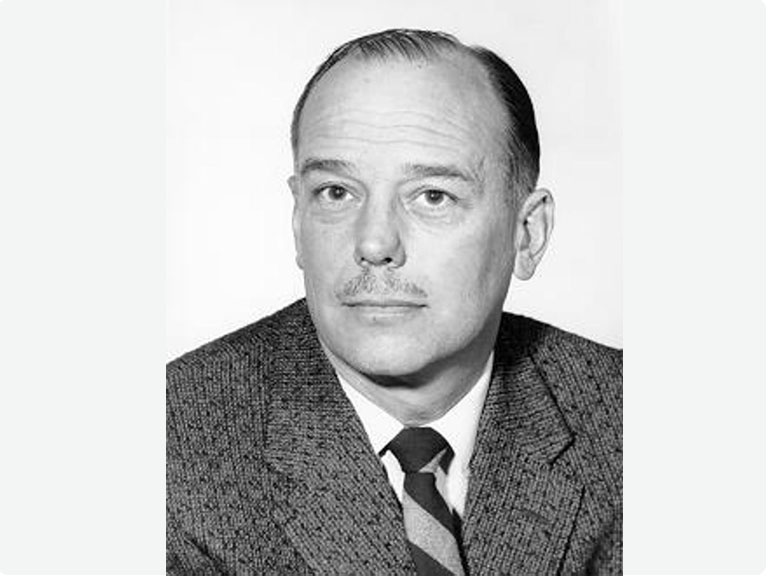
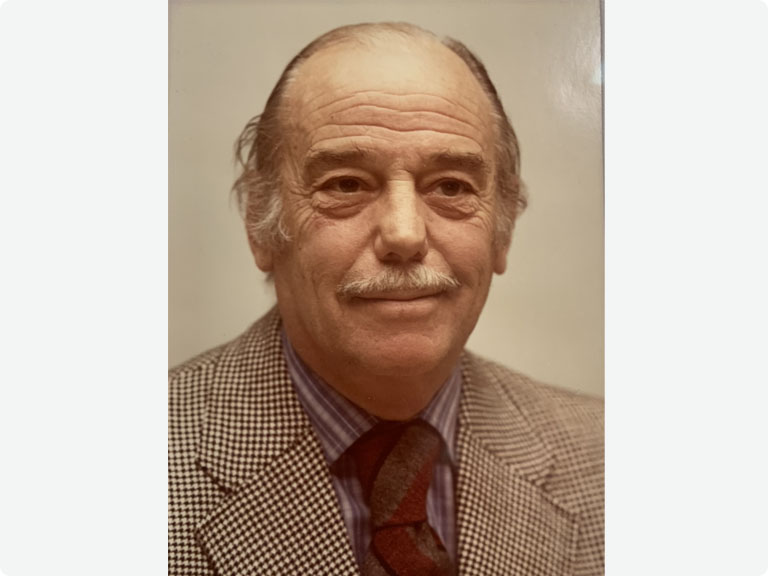
Dr. Taylor led the department through its formative expansion. In July 1959, UBC acquired its first electron microscope under his leadership — a landmark for research capacity in the young department.

1968 – 1990

Building the Programs

Two decades of curriculum-building establish Pathology's teaching identity and its enduring undergraduate course.

Milestones of the era
1966
David Hardwick takes over the MD undergraduate pathology course, codifying a program that runs 30+ years.
1972
UBC's medical class expands to 80 students, growing the teaching load and the department.
1980
The medical class expands again to 120 students.
William Lawrie Dunn
1968–1976

William Lawrie Dunn

Professor and Head

William Lawrie Dunn (1927–2019) was the guiding light in re-organizing the department's teaching programs. He spent countless hours with residents and students, personally preparing them for their arduous written and final oral exams — all in spite of a demanding schedule.

David F. Hardwick
1976–1990

David F. Hardwick

Professor and Head

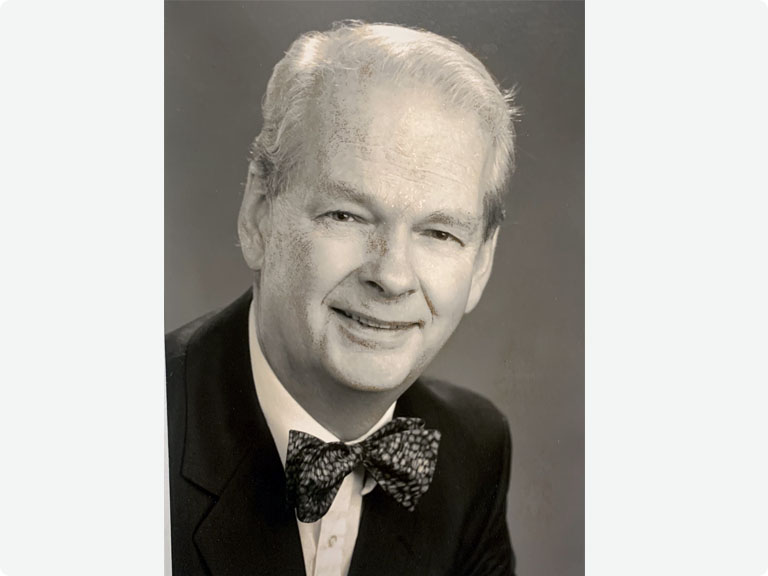
The inimitable bow-tied David Hardwick (1934–2021), a graduate of UBC's fourth medical class, joined Pathology in 1965 and led it from 1976 to 1990. He took over the MD undergraduate pathology course in 1966, restructuring it into a program that ran for more than 30 years. His research spanned pediatric pathology, pathophysiology, clinical pathology and the economics of laboratory testing. The David F. Hardwick Pathology Learning Centre in the Diamond Health Care Centre bears his name. In 2001, UBC awarded him a Doctor of Laws, honoris causa.

David F. Hardwick (Wikipedia) →
1990 – 2003

Transition & Discovery

A period of acting heads and rapid research growth, as genomics and cardiovascular pathology take root in BC.

Milestones of the era
1993
Dr. Michael Smith (UBC) wins the Nobel Prize in Chemistry, cementing BC's place in molecular science.
2000
Founding of the Centre for Molecular Medicine and Therapeutics and the Centre for Blood Research, both with Pathology ties.
2001
UBC's Michael Smith Genome Sciences Centre opens, becoming a global leader in genomics and precision medicine.
William H. Chase
1990–1992

William H. Chase

Professor and Acting Head
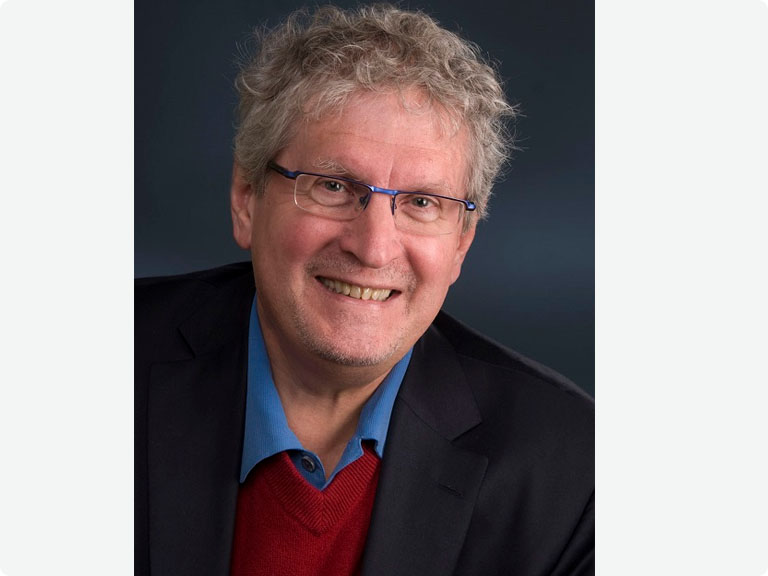
Andrew Churg
1992

Andrew Churg

Professor and Acting Head

Dr. Churg, a professor of pathology at UBC and pathologist at Vancouver General Hospital, is the author of more than 500 publications spanning all aspects of thoracic pathology. His laboratory has long focused on the effects of occupational and environmental agents on the lung, with major interests in malignant mesothelioma and interstitial lung disease.

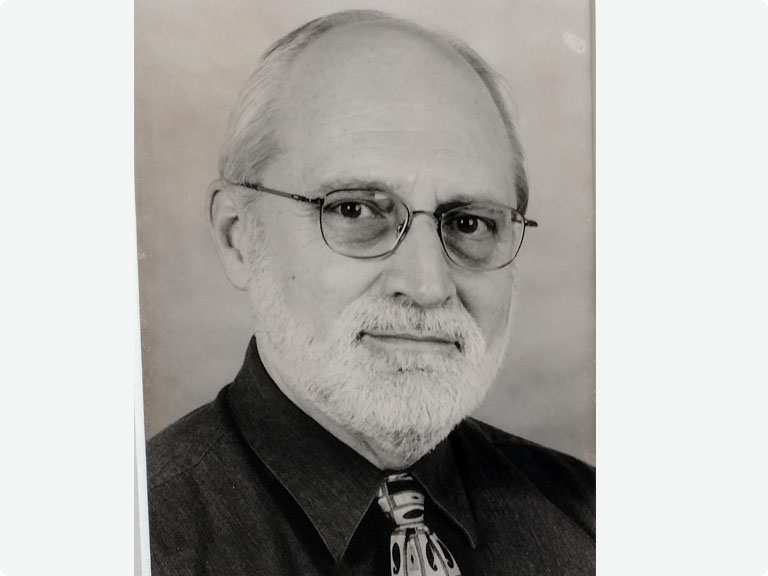
Philip E. Reid
1992–1993

Philip E. Reid

Professor and Acting Head

Philip Reid (b. 1936) held many titles across three decades in the department, from Assistant Professor to Professor to Acting Head. He is best known as the coordinator of the distance-format Bachelor of Medical Laboratory Science (BMLSc) degree program and a founding member of the Mucin Club. His research focused on the epithelial glycoproteins of the normal and diseased intestine.

Bruce M. McManus
1993–2000

Bruce M. McManus

Professor and Head

Bruce McManus (Order of British Columbia, 2019) led the department through the 1990s before becoming inaugural Scientific Director of the CIHR Institute of Circulatory and Respiratory Health. His investigative program focused on inflammatory diseases of the heart and blood vessels. He has co-authored over 380 peer-reviewed publications, edited four books, holds several patents and co-founded several diagnostics start-ups.

James E. Dimmick
2001–2003

James E. Dimmick

Professor and Head

A UBC alumnus (MD 1968), Dr. Dimmick joined the Faculty of Medicine as a Professor of Pathology in 1990 and served as Director of Pathology and Laboratory Medicine at BC Children's Hospital from 1992. His interests centred on the health of the fetus, infant and child.

2003 – 2018

The Genomic Era

Pathology-led teams redefine how cancers are understood and diagnosed, and medical education is distributed across the province.

Milestones of the era
2004
OvCaRe — BC's multidisciplinary ovarian cancer research team — is co-founded by department pathologists, redefining ovarian cancer as multiple distinct diseases.
2004
UBC launches Canada's first distributed medical education program, extending Pathology teaching province-wide.
2010s
The Genetic Pathology Evaluation Centre and tissue-microarray technology drive novel cancer-biomarker discovery.
Richard G. Hegele
2003–2008

Richard G. Hegele

Professor and Head

Dr. Hegele completed a PhD in Experimental Pathology at UBC and rose through the ranks to Professor, serving as Head 2005–2008 (Acting Head 2003–2004). He later chaired Laboratory Medicine and Pathobiology at the University of Toronto and became Vice Dean, Research and Innovation in Toronto's Temerty Faculty of Medicine.

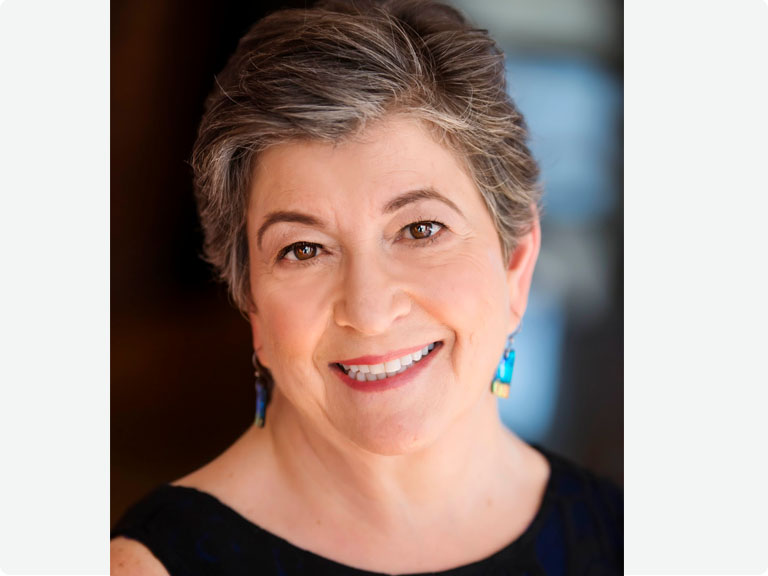
Gillian Lockitch
2004

Gillian Lockitch

Professor and Acting Head

Dr. Lockitch enjoyed a 25-year career as a Medical Professor and dual-certified Specialist in Paediatrics and Medical Biochemistry. Her research focused on biochemistry, nutrition and genetics; she authored 57 peer-reviewed publications and 14 book chapters, and received the 1998 YWCA Woman of Distinction Award for Science and Technology.

James Cullen
2005

James Cullen

Professor and Acting Head
Blake Gilks
2009–2010

Blake Gilks

Professor and Acting Head

Dr. Gilks is a Professor Emeritus and consultant pathologist at Vancouver General Hospital, site of the province's largest surgical oncology program. He leads a research program on gynecological cancers, co-founded OvCaRe (the multidisciplinary ovarian cancer team) and co-founded the Genetic Pathology Evaluation Centre, pioneering tissue-microarray technology to uncover novel cancer biomarkers.

Michael Allard
2009–2018

Michael Allard

Professor and Head

Dr. Allard led the department from 2009 to 2018 and is now Vice-Dean, Health Engagement in the Faculty of Medicine. His research focused on the heart's adaptation to exercise and hypertension, and later on assessing academic workload and integrating clinical and academic activities. He is a Principal Investigator in the James Hogg Research Centre and a cardiovascular pathologist at St. Paul's Hospital.

2018 – present

A Province-Wide Department

The modern department leads nationally in research and reach, guided by a strategic plan aligned with the Faculty's vision.

Milestones of the era
2019
The department deepens its role across all BC health authorities and national pathology leadership.
2022
Dr. Zu-hua Gao becomes Head, launching a new strategic plan for teaching, research and service.
2025
The department ranks 2nd in Canada and 28th worldwide, with 498 faculty and $82.4M in total financial activity.
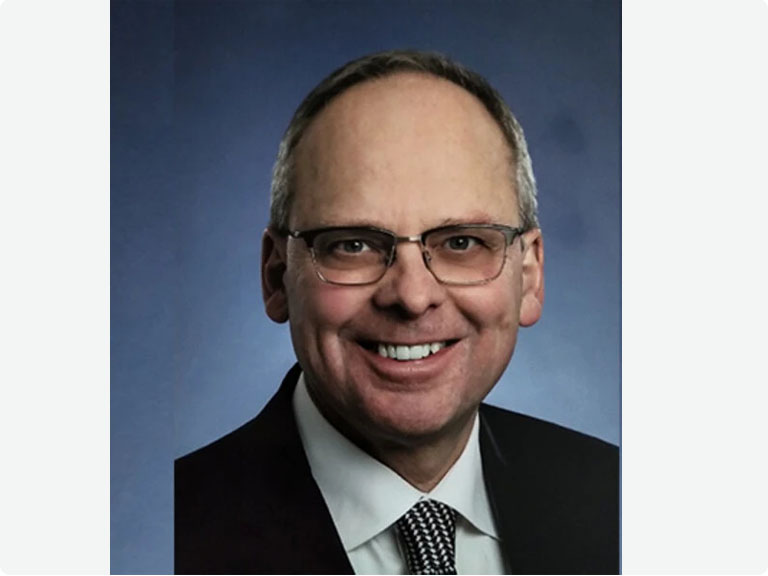
Donald Brooks
2018–2022

Donald Brooks

Professor and Acting Head

Dr. Brooks, a physical biochemist and Professor Emeritus in Pathology & Laboratory Medicine and Chemistry, served UBC in senior research-leadership roles including Associate Vice President Research & International. He was one of five faculty who founded the UBC Centre for Blood Research. With over 150 publications and four US patents, he received the David Hardwick Lifetime Achievement Award in 2014.

Zu-hua Gao
2022–present

Zu-hua Gao

Professor and Head

Dr. Gao earned his MD from Qingdao Medical College and his PhD from Peking Union Medical College, with fellowship training at Johns Hopkins and the University of Chicago. He chaired Pathology at McGill University from 2012 to 2021 and has served as President of the Canadian Chairs of Pathology since 2019. A Fellow of both the Royal Society of Medicine (London) and the Canadian Academy of Health Sciences, he leads the department's current strategic plan aligned with the Faculty's vision.